Spring (March–May): Termite swarm season and ant season Termites swarm on warm days following rain to establish new colonies. Ants become active and begin entering homes in search of food. Stinging insects (wasps, yellow jackets) begin building nests — treat nests while they’re small (golf ball size or smaller).
Checklist: Schedule a termite inspection. Seal cracks in foundation and around utility entry points. Place ant bait stations around the perimeter. Inspect and clear gutters of winter debris.
Summer (June–August): Mosquito and tick peak season Mosquitoes breed prolifically and are most dangerous during summer. Ticks are most active in tall grass and woodland edges. Fly populations surge around waste and food sources.
Checklist: Eliminate all standing water weekly. Apply Bti mosquito dunks to ornamental ponds and rain barrels.
Keep grass cut short. Apply tick barrier treatment to lawn perimeter. Keep trash cans tightly sealed.
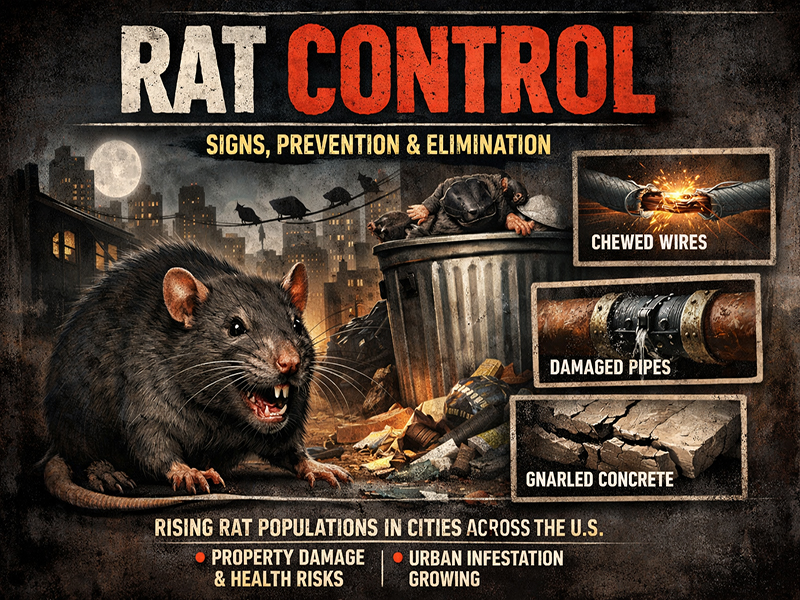
Fall (September–November): Rodents and overwintering insects move indoors As temperatures drop, mice, rats, cockroaches, stink bugs, and spiders seek warmth. Fall is the most critical time for exclusion work.
Checklist: Inspect entire exterior for gaps. Install door sweeps and weather stripping. Move firewood away from the house. Set snap traps in attic, garage, and basement.
Winter (December–February): Indoor pests become more visible Cockroach infestations become more apparent as heated rooms concentrate activity. Pantry pests (grain beetles, flour moths) peak due to holiday baking and storage.
Checklist: Inspect all dry goods for infestation. Clean pantry shelves thoroughly. Maintain humidity below 50% to discourage cockroaches and silverfish. Check snap traps monthly.