This week (immediate actions):
Conduct a full home inspection. Start outside: walk the entire foundation perimeter looking for cracks, gaps, and wood-to-soil contact. Check where utility lines enter. Inspect the roofline for gaps.
Move firewood if it’s near the house. Inside: inspect the pantry for stored product pests, check under sinks for moisture, look behind the stove and refrigerator for signs of cockroach activity, and check the basement and attic for rodent signs.
Address any active infestations you find. Refer to the relevant articles in this series for specific product and technique guidance.
This month (foundational work):
Seal entry points: caulk cracks, add door sweeps, screen vents. Transfer dry goods to sealed containers. Fix any moisture issues (leaky pipes, condensation problems, poor drainage).
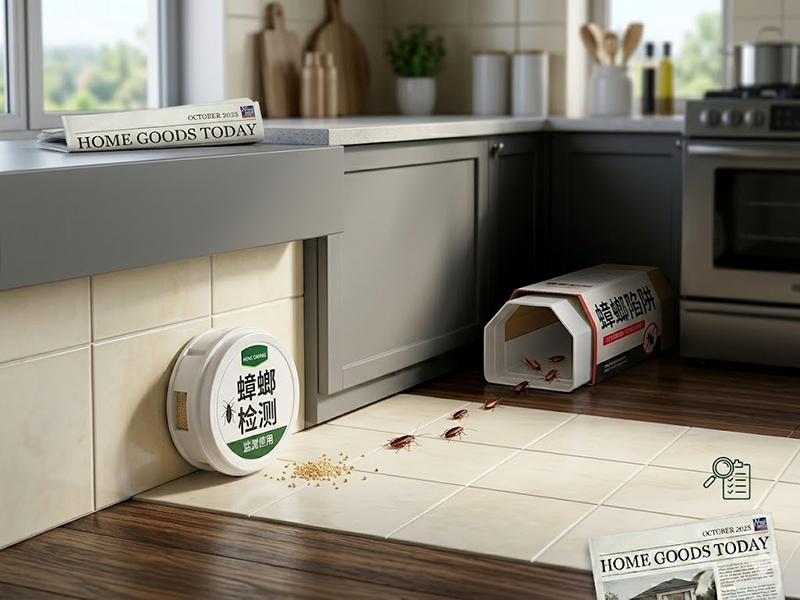
Set up a monitoring station — a few strategically placed sticky glue boards — so you can track what’s moving through your home.
Quarterly maintenance:
Spring: Termite inspection, ant bait station placement, perimeter spray, mosquito breeding site audit.
Summer: Weekly mosquito source elimination, tick yard treatment, fly control around waste areas.
Fall: Intensify rodent exclusion, stink bug entry point sealing, overwintering insect inspection.
Winter: Pantry pest inspection, indoor trap check, humidity monitoring.
The mindset shift that makes the difference:
Pest control is not a product you buy once — it’s a set of habits and systems. The most pest-resistant homes are not the ones that spray the most; they’re the ones that remove food and water sources, seal structural gaps, and monitor regularly so small problems are caught before they become large ones.